


A project focused on identifying community barriers and facilitators to promote active, independent, and healthy ageing through occupational well-being.
Project OBJECTIVES
GENERAL Objective
Determine
To determine the prevalence of occupational dysfunction and examine its relationship with health status, quality of life, and the physical and social characteristics of community environments among people aged 65 years and over.
Identify
To identify and describe older adults’ perceptions of community barriers and facilitators, and to explore action proposals that may promote their occupational participation.
SPECIFICS Objectives
Evaluate
To evaluate the psychometric properties of the Spanish version of the Classification and Assessment of Occupational Dysfunction (CAOD) for use in the assessment of occupational dysfunction among older adults.
Evaluate
To evaluate the characteristics of the environments in which older adults live and their association with occupational dysfunction and engagement in meaningful activities.
Evaluate
To evaluate the psychometric properties of the Spanish version of the Engagement in Meaningful Activities Survey (EMAS) for assessing the level of engagement in meaningful activities among this population.
Explore
To explore older adults’ perceptions of the barriers and facilitators present in their environments that influence participation in meaningful activities contributing to occupational well-being.
Determine
To determine the levels of occupational dysfunction and engagement in meaningful activities among a population of community-dwelling older adults.
Identify
To identify action proposals and solutions suggested by older adults to enhance their occupational participation, promoting a participatory approach that engages different sectors of the community.
Analyze
To analyze the association between occupational dysfunction and/or engagement in meaningful activities, and well-being and quality of life in a population of older adults.

Background and Context
Population ageing poses major social and public health challenges worldwide. In Spain, more than 19% of the population is aged 65 years and over, and factors such as unwanted loneliness and limited accessibility often restrict the participation of older adults in community life.
From an occupational therapy perspective, the ability to engage in meaningful occupations is a key determinant of health and well-being. When such participation is restricted, experiences of occupational dysfunction may arise. Occupational dysfunction refers to negative experiences related to an individual’s ability to participate in everyday activities. These experiences may manifest as occupational imbalance (a mismatch in engagement across different occupations), occupational deprivation (limited opportunities to participate in meaningful occupations), occupational alienation (a lack of meaning and satisfaction in everyday occupations), and occupational marginalisation (restrictions on autonomy and choice regarding occupational participation).
POMA-Co addresses this issue by applying the World Health Organization (WHO) Age-Friendly Cities and Communities framework, while incorporating an occupational perspective as its central focus. This approach seeks to understand how the characteristics of physical and social environments can either facilitate or hinder participation in meaningful activities and, consequently, influence occupational well-being in later life.
Methodology and Project Phases
The first phase focuses on the psychometric validation of the Spanish versions of the Classification and Assessment of Occupational Dysfunction (CAOD) and the Engagement in Meaningful Activities Survey (EMAS).
The second phase consists of a cross-sectional study aimed at estimating the prevalence of occupational dysfunction and examining its associations with health-related variables, well-being, quality of life, engagement in meaningful activities, and environmental characteristics.
The third phase will be undertaken through a participatory action research study guided by a phenomenological and participatory approach, in line with the World Health Organization (WHO) recommendations on active ageing and age-friendly environments.
Phase 1: Instrument Validation
Phase 1 will focus on the psychometric validation of the Spanish versions of the Classification and Assessment of Occupational Dysfunction (CAOD) and the Engagement in Meaningful Activities Survey (EMAS), which have previously undergone cross-cultural adaptation to the Spanish context. To achieve this, collaboration agreements will be established with community centres, health and social care services, and local authorities in selected municipalities to ensure a geographically and sociodemographically diverse sample.
This phase will include a pilot stage in several municipalities, during which training workshops will be delivered to community agents, health and social care professionals, municipal technical staff, and volunteers. The aim will be to ensure the appropriate administration of the instruments and the consistent implementation of the study’s ethical and methodological procedures.
Phase 2: Cross-Sectional Study
Phase 2 will consist of a cross-sectional observational study in which the validated instruments will be administered to a representative sample of adults aged 65 years and older. The aim will be to estimate the prevalence of occupational dysfunction and examine its association with various indicators of health, well-being, quality of life, occupational participation, and the characteristics of the physical and social environment.
The study sample will comprise approximately 600 older adults, selected through a stratified sampling procedure designed to ensure the territorial and sociodemographic representativeness of the participating population.
Phase 3: Participatory Action Research
Phase 3 will consist of a qualitative study informed by participatory and phenomenological approaches, aimed at understanding older adults’ experiences of occupational participation, as well as identifying barriers, facilitators, and opportunities for improvement within community environments.
Participants will be purposively selected based on the results obtained during the quantitative phase, ensuring the inclusion of diverse profiles of older adults as well as other relevant community stakeholders.
In collaboration with local organisations and municipal authorities, focus groups, interviews, and other participatory activities will be conducted to generate action proposals aimed at fostering more inclusive environments and enhancing occupational participation within the community.
PARTICIPATION in the Project
ARE YOU WILLING TO HELP US IMPROVE THE PARTICIPATION AND WELL-BEING OF OLDER ADULTS?
POMA-Co is a research project led by the Miguel Hernández University of Elche that aims to understand how older adults engage in the activities that give meaning to their daily lives and how this participation is related to their health, well-being, and quality of life.
We also seek to identify which aspects of our municipalities facilitate or hinder older adults’ participation in order to contribute to the development of more inclusive, accessible, and age-friendly communities.
Why is it important?
Participating in meaningful activities, maintaining social relationships, learning new things, collaborating with others, and enjoying leisure time all contribute to well-being and healthy ageing.
Understanding the experiences and needs of older adults will help us design better programmes, services, and community initiatives.
Who can participate?
Adults aged 65 years and older.
What does participation involve?
Participation involves attending one or more face-to-face sessions during which we will talk about your daily life, your health, your well-being, and the activities that are important to you.
You will also be invited to complete several questionnaires and take part in simple assessments related to health and everyday functioning. The number and duration of the sessions will be adapted to each participant’s needs.
In addition, some participants may later be invited to take part in group activities where they can share their experiences and contribute ideas for improving their community.
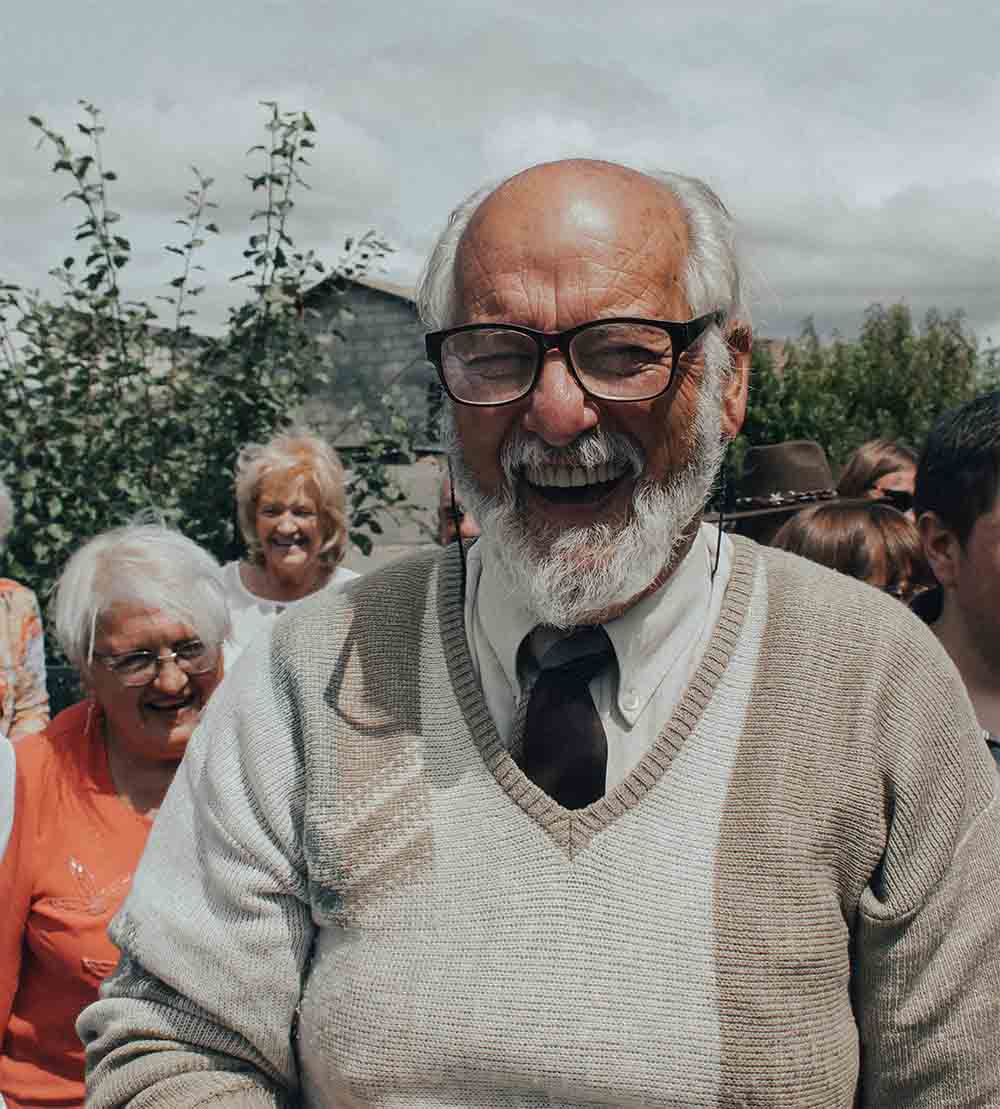
We want to hear the voices of older adults and work together to build healthier, more participatory, and age-friendly communities.
Would you like to collaborate with or participate in the POMA-Co project?
RESEARCHERS of the Project
PRINCIPAL INVESTIGATORS OF THE PROJECT

Desirée Valera Gran
PROJECT COLLABORATING RESEARCH TEAM

Eva María Navarrete Muñoz

Miriam Hurtado Pomares
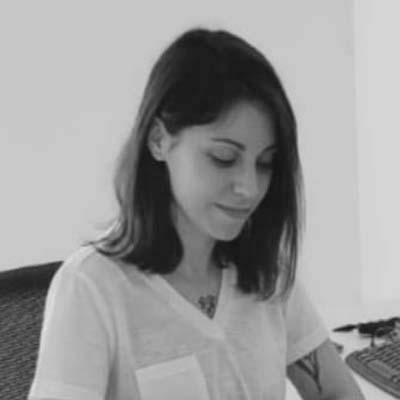
Laura Delgado Lobete
Universidad de Murcia (UMU)
Project FUNDING
Secretaría Autonómica de Universidades
Dirección General de Ciencia e Investigación
Servicio de Gestión del Programa I+D+I
CIAICO/2026/64
90.000€
Download PDF
COLLABORATORS with the Project
PARTNER ORGANISATIONS AND INSTITUTIONS


PARTICIPATING CENTRES
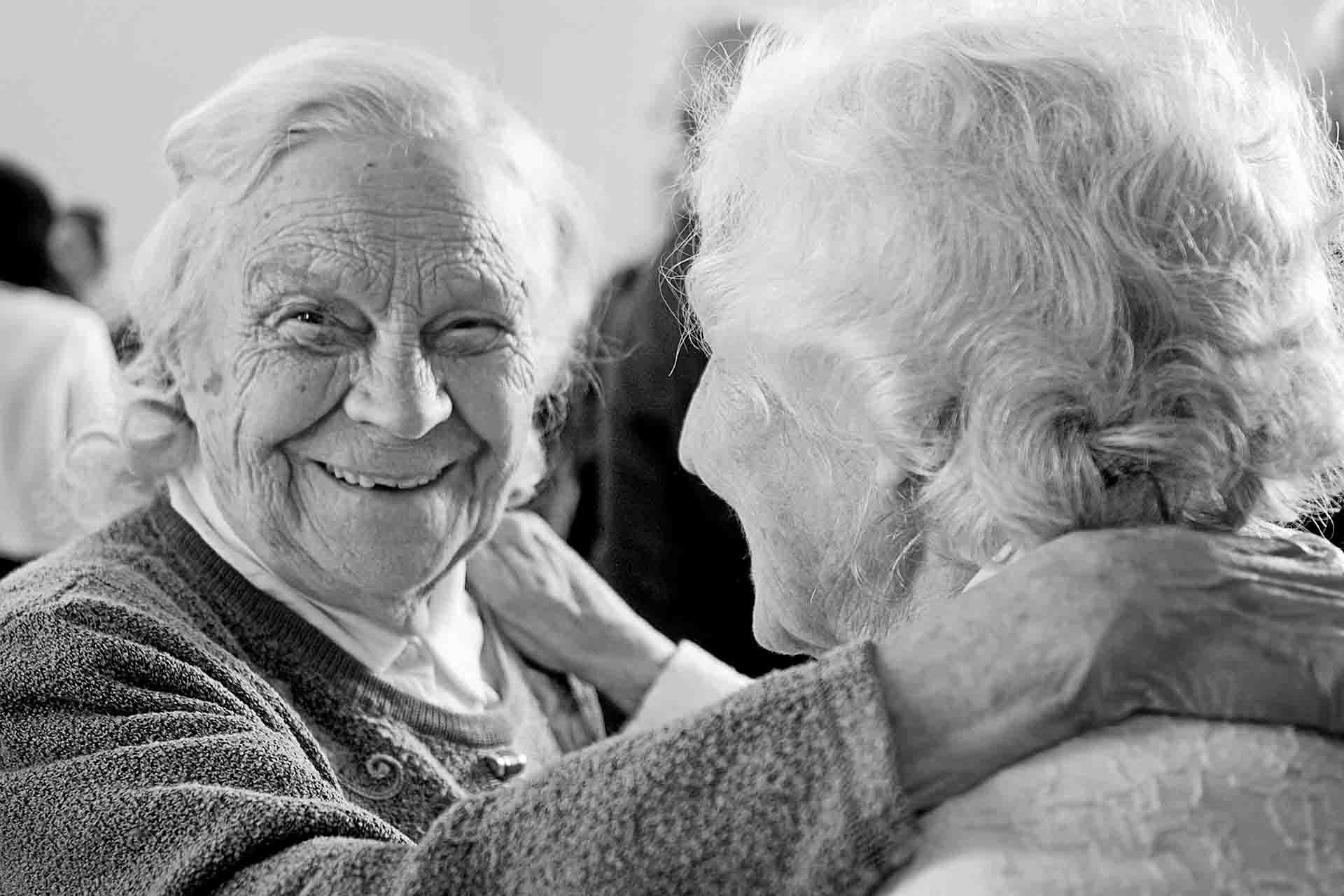
Header image: Photo by Glen Hodson on Unsplash
Project presentation image: Photo by Artyom Kabajev on Unsplash
Participation image: Photo by gaspar zaldo on Unsplash